Your Property Future
Build lasting wealth through UK property without doing it alone.
Build with Confidence
Expert guidance that removes the uncertainty from buying and investing in property. You'll never feel alone—our team handles the complexity so you can make confident decisions.
Invest with Purpose
Every recommendation starts with your financial goals—not just finding a property. We align every decision with what actually matters to you: your timeline, your budget, your vision for the future.
Grow for Generations
We help you create wealth designed to benefit you today and your family tomorrow. Property is the pathway to generational opportunity—we're here to build it with you.
We don't just fit you into a template. We create tailored property strategies.
We understand that property is the vehicle. Wealth is the goal. That's why every investment we recommend is built around your vision, not a template.
Whether you're...
Busy Professionals
Build wealth without adding another full-time job. We handle the heavy lifting so you can focus on what matters most.
First-Time Buyers
Navigate the buying process with confidence. Expert guidance every step of the way, from search to completion.
International & UK Investors
Access carefully selected UK property opportunities with expert local support and deep market knowledge.
Growing Investors
Expand your portfolio with a clear strategy and ongoing guidance from property investment experts.
Your property journey, simplified
People don't buy services—they buy an easy process. Here's yours.
Discovery Call
One free call. We listen and tell you what's possible. No pressure, no sales pitch.
Build Your Strategy
Map out how you get from here to your goal. Clear steps, real numbers, timeline that works.
Find the Opportunity
We hunt for properties that match your criteria. Off-market deals, undervalued gems.
Secure Your Property
We handle legal work, surveys, negotiation. You stay in the loop, we handle the heavy lifting.
Manage & Grow
Ongoing support to maximize returns. Tenant management to refinancing, we're with you.
Choose Your Property Journey
Everyone's path is different. Pick the strategy that matches your goals and let us guide you to success.
Real Results. Real Stories.
Discover how PREPG3 has helped clients buy, invest and build lasting wealth through carefully selected property opportunities.
Every project represents a different goal, but the same commitment to delivering value, transparency and long-term wealth.
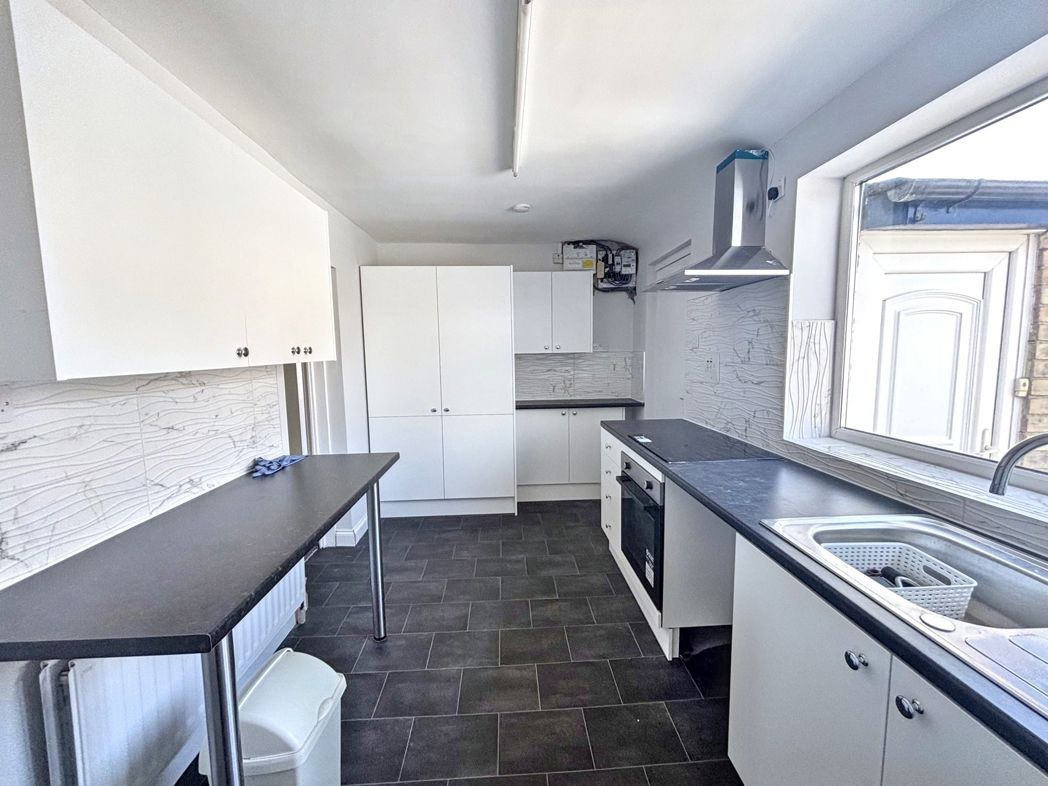
Modern 2-Bed Terrace
📍 Newcastle
The People Behind PREPG3
Behind PREPG3 are two founders with complementary expertise in technology, property and business.
Together, we're committed to helping clients build lasting wealth through strategic UK property investments.
Master Property Investment
Download our free Property Wealth Wake-Up Guide and discover the proven strategies to build lasting wealth through strategic property investment.
Download Your Free Property Wealth Wake-Up GuideReady to Build Wealth Through Property?
Whether you're buying your first home, building an investment portfolio or looking for a trusted property partner, we'd love to understand your goals.
Complete the short form and one of our founders will personally get in touch within one business day to discuss your goals and outline the next steps.
Let's Start the Conversation
Tell us what you want to do and we'll get back to you shortly with a real plan.
Image 1 of 7
Use arrows to navigate • Click to close • Press ESC to exit
Modern 2-Bed Terrace
📍 Newcastle
.png)
Purchase Price
£67,000
Light Refurbishing
£11,000
Other Expenses
£10,000
Total Project Cost
£88,000
Market Value
£105,000
Below Market Value
16.2%
Instant Equity
£17,000
Monthly Rent
£675 pcm
Yield
9.2%
The Challenge — This property required cosmetic refurbishment and had been overlooked by many buyers.
Our Approach — We secured it below market value, managed the refurbishment and prepared it for tenants.
The Result — The property was transformed into a high-quality rental home, generating £675 per month in rental income while creating approximately £17,000 in equity from day one.
I recently used this organization and was really impressed with their service. They were incredibly helpful from the very start, guiding me through the whole process and helping me achieve my goal. I definitely feel I got my money's worth. The team's knowledge was outstanding, and the advice they gave me was spot-on. Overall, I'd highly recommend them!
— Bidemi Ajadi, First-time Investor
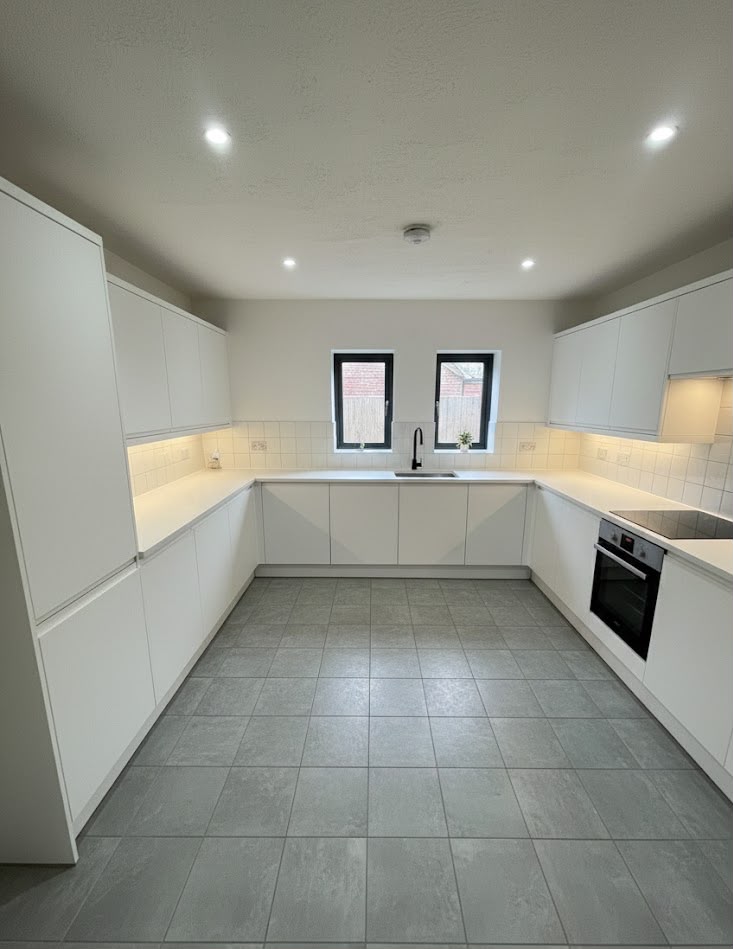
HMO Conversion
📍 Salford, Greater Manchester
.png)
Status
Ongoing
Expected Timeline
15 months
The Challenge — Converting a standard residential property into a profitable HMO with strong rental yields.
Our Approach — Strategic HMO conversion targeting multi-unit income strategy with proper licensing and compliance.
The Result — Project is actively being developed with expected completion within timeline, designed for strong rental yields with multi-unit income strategy.
I used this service and was pleasantly surprised with the depth of knowledge and professionalism of the support for a hands off approach and start to finish support. I would happily use again and recommend to others in property that are looking for a sourcer of property and hands off support.
— Colin Simons, Property Investor
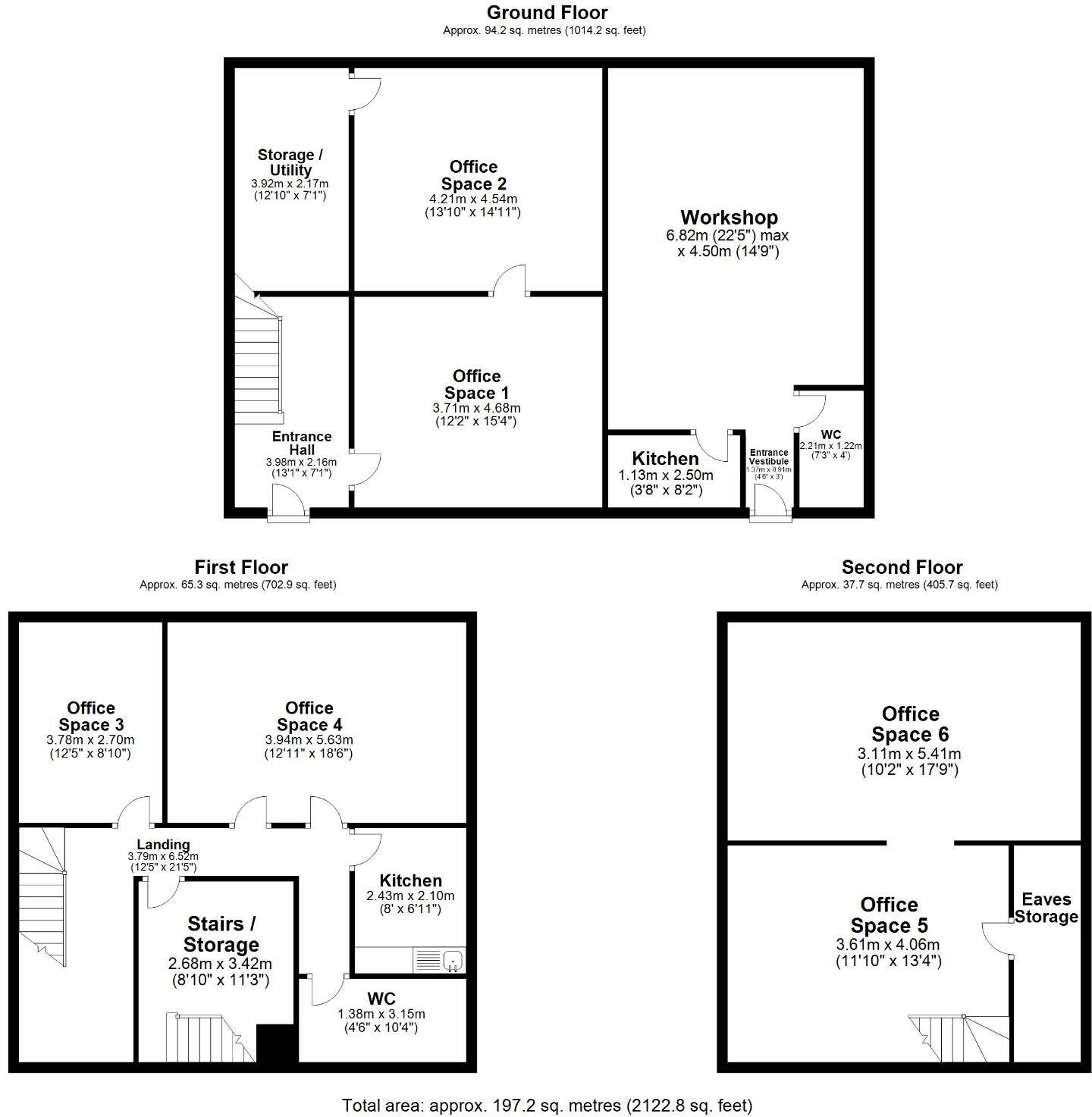
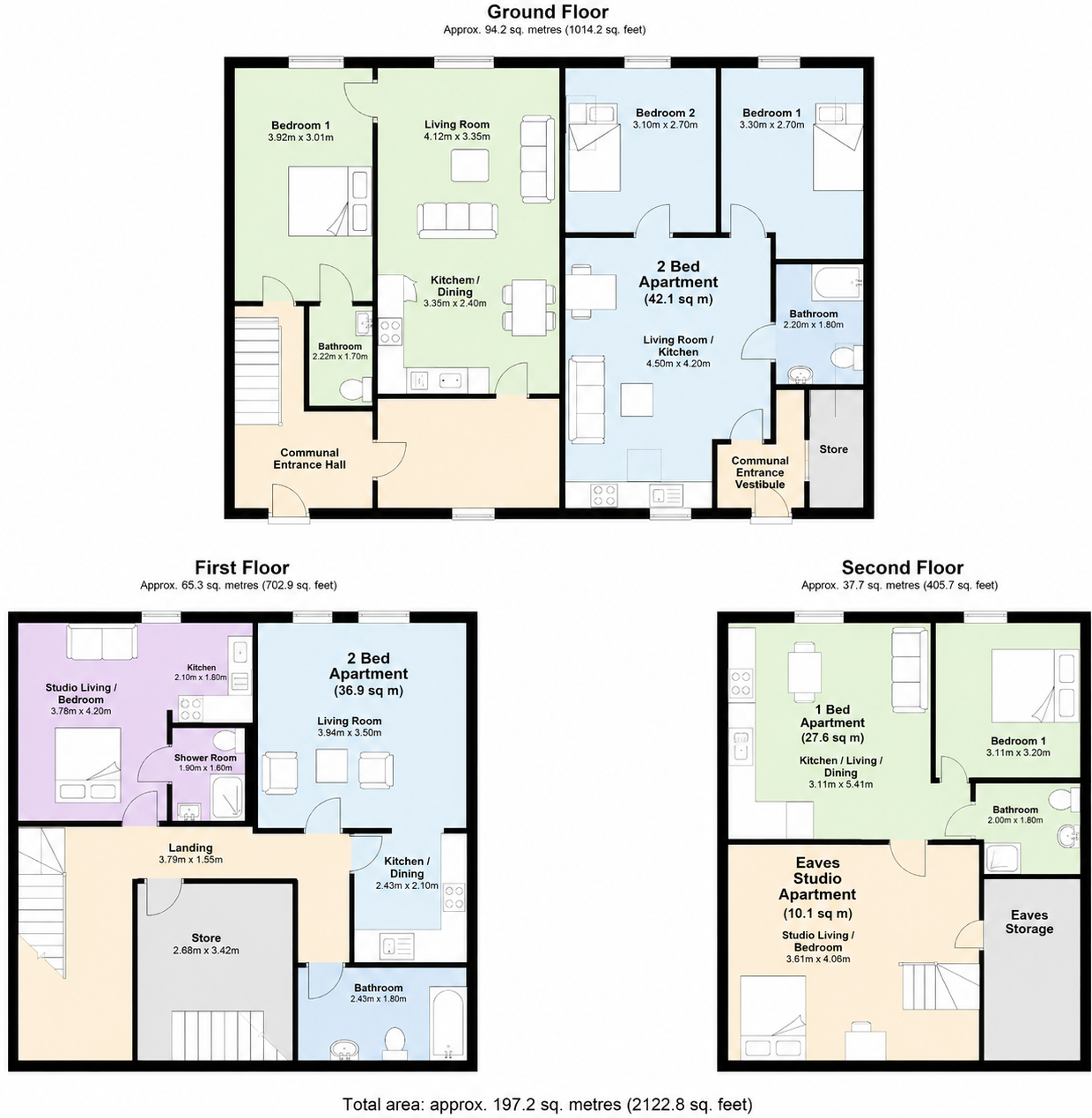
Commercial Conversion
📍 Bury, Greater Manchester
Status
Acquisition & Planning
Strategy
Commercial to Residential (BRRR)
The Challenge — A well-located commercial building with strong potential for residential conversion in an area with high tenant demand.
Our Approach — Complete planning and due diligence before converting the property into multiple residential apartments using a BRRR strategy (Buy • Refurbish • Refinance • Rent).
The Result — The project is currently in the acquisition and planning phase, with development expected to commence once approvals are in place.
Image 1 of 7
Use arrows to navigate • Click to close • Press ESC to exit
September 2026
Select a weekday to see available times